


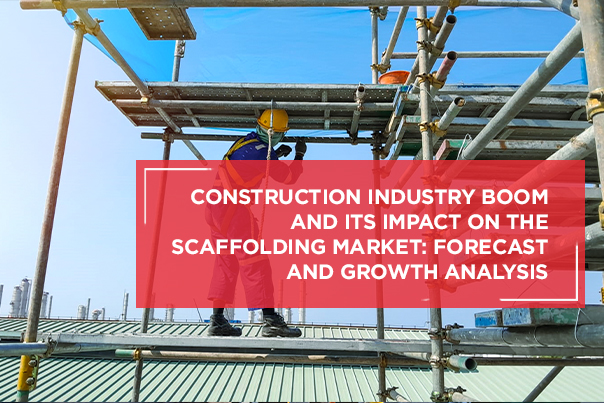
The rise of construction is speeding up around the world and in the US. Scaffolding demand is going up because of the size of projects and safety considerations. By 2030, the market is anticipated to be worth $75 to $80 billion. Rate of growth: about 6–7% per year. Move toward scaffolding systems that are modular and very efficient.
The Construction Boom: What’s Changing in 2026?
The construction business is growing quickly because of investments in infrastructure, urban development, and industry. In the US, public support and expansion in the private sector are driving big projects in many areas.
Projects today need:
- Execution that is faster
- More strict safety rules
- Solutions that can grow
This change is directly making people depend more on advanced scaffolding systems.
Why Scaffolding is Critical in Modern Construction Projects
Scaffolding is no longer only a temporary support; it is an important part of keeping workers safe and making projects run smoothly.
Key Role of Scaffolding
- Gives people safe places to work at heights
- Can hold up complicated buildings and big projects
- Makes construction timelines shorter
- Makes ensuring that safety rules are followed
As projects get more complicated, scaffolding becomes an important part of how things work.
Direct Impact of Construction Growth on Scaffolding Demand
There are many levels of demand for scaffolding because of the building boom.
Where Demand is Increasing
- Bridges, highways, and metro systems are all examples of infrastructure projects.
- Offices, malls, and high-rises are all examples of commercial buildings.
- Oil and gas, plants, and warehouses are examples of industrial facilities.
- Renovation and maintenance: initiatives to fix and improve things
More building means using scaffolding all the time during all stages of the project.
Market Growth Analysis: What the Numbers Say
As demand for building rises, so does the scaffolding business.
Key Growth Indicators
The market is expected to be worth $75–80 billion by 2030, with a compound annual growth rate (CAGR) of about 6–7%.
Research and Markets says that this rise is closely linked to investments in infrastructure around the world and the growth of industry.
Key Demand Shifts in the Scaffolding Market
The construction boom is not only making more people want scaffolding, but it is also changing the type of scaffolding that is needed.
Shift Toward Speed & Efficiency
- Preferred systems for faster installation
- Less time spent down on site
- More work done
Increased Focus on Worker Safety
- Safety compliance is required (OSHA in the US)
- Platforms and locking systems that are safer
- Less danger of accidents
Demand for Flexible Solutions
- Scaffolding for projects of all sizes
- Flexibility for complicated structures
- Simple to put together and take apart
USA Focus: Where Growth is Strongest
The US is one of the fastest-growing markets for scaffolding because of all the building work going on there.
High Growth Areas
- Texas is known for initiatives in oil and gas and energy
- Infrastructure and urban development in California
- New York builds project and renovations
These areas need big, dependable scaffolding systems.
Challenges Created by the Construction Boom
Rapid growth also puts pressure on operations.
Key Issues
- Installation is taking longer because there aren’t enough workers.
- Costs of materials have gone up
- Short deadlines for projects
- Following safety rules strictly
These problems are making contractors turn to contemporary scaffolding solutions.
Opportunities Emerging in the Scaffolding Market
The growth is giving suppliers and contractors new chances.
Growth Opportunities
- More people want industrial scaffolding
- More people are using modular systems
- Growing rental services
- Long-term deals with construction companies
Companies who sell solutions that are both efficient and scalable will have an edge in the market.
What Contractors Should Do to Stay Ahead
Contractors need to change swiftly to take advantage of this development.
Strategic Actions
- Put money into modular scaffolding systems
- Put safety and following the rules first
- Shorten the time it takes to install
- Pick options that save you money
Conclusion
There is no denying that the growth in the construction industry has brought significant changes to the scaffolding industry. It is becoming more competitive and demanding due to higher standards and innovation. In addition, scaffolding is expected to become increasingly critical as projects become more complex.
Organizations that embrace technology and keep pace with modern advancements stand a better chance of thriving in this fast-growing industry.
Are you making plans for your next building project?
For superior project results, pick scaffolding options that are fast, safe, and reliable.
Comments are closed