


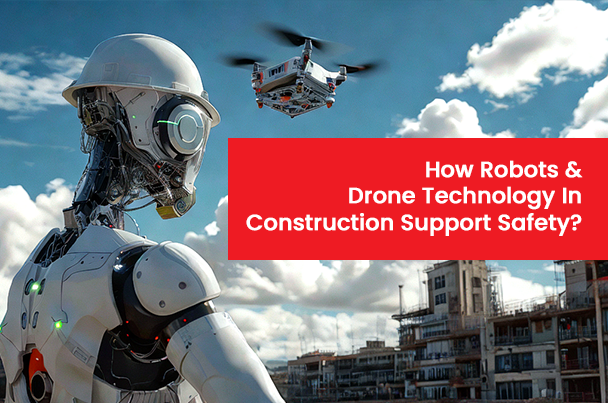
Robots and drones increase safety in the construction sector by shielded personnel from the construction environment, enabling observation and removal of risky activities involved in construction. They also aid in detecting risks early, reducing accidents, and enhancing safety standards on construction sites.
The increasing complexity of construction projects and works makes robotics and drones essential in contemporary safety methodologies.
Why Safety Remains a Major Challenge in Construction
The construction industry has remained at the forefront among the most hazardous workplaces due to:
- work at height
- heavy machinery
- unstable structures
- human error and fatigue
- limited visibility in large job sites
Conventional safety measures by themselves are no longer sufficient. It is at this point that robots and drones add value to safety by serving as active risk mitigation measures.
How Drones Improve Construction Site Safety
The drones also enhance safety in that they carry out aerial inspection activities, monitor danger zones, and provide real-time site information without endangering workers in the process.
Key Safety Benefits of Drones
- Inspect rooftops, scaffolding, and elevated structures
- Identify cracks, loose materials, and structural defects
- Monitor active sites without physical access
- Track site changes and unsafe behavior in real time
It reduces the chances of fall injuries that may occur when workers have to access hazards zones.
Types of Robots Used in Construction Safety
The applications of construction robots reach beyond automation. Various robots are used for particular safety applications:
1. Inspection Robots
Used in confined spaces such as:
- tunnels
- pipelines
- crawl spaces
- underground structures
These robots make human access to high-risk zones unnecessary.
2. Material Handling Robots
Robots assist with:
- lifting heavy loads
- repetitive material movement
- precision placement
It prevents musculoskeletal injuries and musculoskeletal fatigue.
3. Autonomous Equipment
Self-guided machines carry out activities such as:
- excavation
- site leveling
- demolition
They minimize worker exposure to hazards from heavy machinery.
4. Wearable Robotics (Exoskeletons)
Exoskeletons support workers by:
- reducing strain on joints
- improving posture
- preventing long-term injuries
How Robots and Drones Reduce Workplace Accidents
Construction accidents are significantly reduced by robots and drones since they do not put human resources at risk when performing dangerous tasks in the course of construction. Robot and drone technology also enhance the precision with which potential risks at a construction site are identified.
With the growing use of digital tools across the industry, many construction teams now combine drones with other intelligent systems to strengthen on-site monitoring, similar to the broader shift seen in how the construction domain is using drones and robots.
Key safety improvements include:
- early hazard identification
- fewer falls and struck-by incidents
- reduced human error
- consistent safety monitoring
These automatic systems are not susceptible to tiredness, distraction, or bad judgment.
Real-World Safety Applications
Robots and drones are actively used to:
- inspect scaffolding stability before worker access
- monitor compliance with PPE requirements
- scan job sites for unsafe edge conditions
- detect equipment malfunctions early
- document safety audits automatically
The applications described earlier are intended for both preventive and investigational safety.
Integration With Modern Safety Systems
Robotics/drone technology is most effective when combined with:
- AI-based hazard detection
- BIM (Building Information Modeling)
- digital site logs
- site surveillance systems
- safety management software
This collaboration builds a predictive safety environment rather than a reactive enforcement one.
Challenges and Safety Risks of Using Robots and Drones
While beneficial, these technologies introduce new considerations:
Common Challenges
- airspace and regulatory restrictions
- operator training requirements
- drone collision risks
- data privacy concerns
- upfront investment costs
Proper training, planning, and site protocols are essential to ensure these tools improve safety rather than create new hazards.
Best Practices for Implementing Robotics and Drones Safely
Before Deployment
- assess site risks and objectives
- ensure regulatory compliance
- train certified operators
- establish restricted zones
During Use
- maintain visual line of sight for drones
- restrict worker access below flight paths
- monitor robot movement areas
After Use
- review collected safety data
- update safety procedures
- document findings for audits
Future Trends in Construction Safety Technology
Construction safety in the future shall comprise the following:
- Real-time hazard warning system using AI
- fully autonomous inspection robots
- digital twins for safety simulation
- robotics integrated with smart scaffolding systems
All these will serve toward reducing injuries as well as promoting compliance at work locations.
Frequently Asked Questions
How do drones improve safety in construction?
Drones enhance safety through remote inspections within hazardous areas, protecting against the dangers of falls and detecting potential dangers before accessing risky areas. The technology has been widely adopted in industries such as agriculture.
Are robots replacing workers in construction?
No. Robots assist workers by performing risky or repetitive jobs as the human labor is engaged in high-skilled decision-making and management.
Do drones and robots comply with safety regulations?
Yes, if used properly within aviation and occupational safety standards.
Are construction robots cost-effective for safety?
Yes. Fewer accidents, delays, and insurance claims frequently pay back the investment costs.
Final Thoughts: Safer Construction Through Smart Technology
Robotics and drone technology are also changing the face of improving construction safety by reducing human involvement, enhancing site visibility, and supporting informed, astute decision-making. When effectively utilized, these technologies ensure a safer, smarter, and more secure construction site, and better coordination with essential services such as scaffold supply, the future of construction safety looks bright.
In effective contemporary systems for ensuring safety on a construction site, it is necessary that all technological efforts should work hand-in-hand with craftsmanship.
Comments are closed