


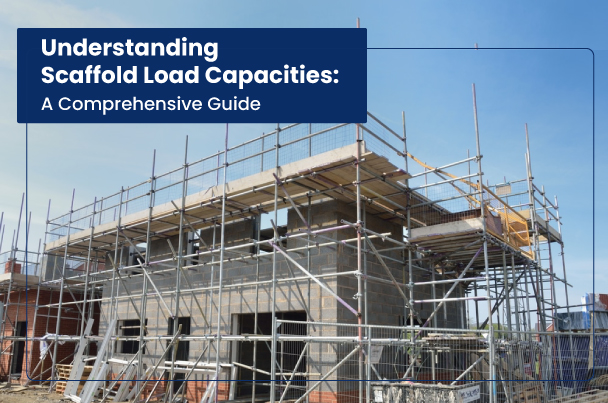
The capacity of a scaffold load is the highest weight that a scaffold system is able to support. Load capacity is a very important concept in ensuring that a scaffold does not collapse with workers or in cases that fall under violations of safety.
In this guide, the subject of scaffold product load capacity will be explained in simple terms, the calculation process for it, as well as the ways of ensuring the load capacity of the installed scaffolds is maintained.
Why Scaffold Load Capacity Is Important
A scaffold is a temporary structure, but problems related to excessive loading are eternal. Loading capacity can cause problems such as:
- structural failure
- scaffold collapse
- serious injuries or fatalities
- regulatory penalties
It is important to note that proper load calculation will contribute to the structural integrity and the safety of the structure.
What Is Scaffold Load Capacity?
The load capacity of a scaffold refers to the maximum weight of a scaffold platform that it is capable of handling without failing.
This includes:
- workers on the platform
- tools and equipment
- stored materials
- the weight of the scaffold components themselves
The capacity or the loads that can be withstood or carried must always be computed.
Types of Loads on a Scaffold
Understanding load types helps prevent miscalculations.
1. Dead Load
The weight of the scaffold structure itself, including:
- frames
- planks
- braces
- couplers
2. Live Load
Variable loads such as:
- workers
- tools
- construction materials
3. Environmental Load
External forces like:
- wind pressure
- debris accumulation
- weather-related impact
All three kinds of loads will have to be considered.
OSHA Standards for Scaffold Load Capacity
Scaffolds are required to have a load-carrying ability of at least four times the intended maximum load, as specified in the guidelines offered by the OSHA. Above all, inspections have to be carried out to ensure that the structure is compliant with regulations, especially when following OSHA standards for scaffold ladder safety, which provide clear guidelines for safe access and usage.
Key OSHA requirements include:
- load capacity includes workers, tools, and materials
- safety factor of 4:1 must be applied
- scaffold components must not be mixed unless approved
- platforms must be fully planked or decked
Such regulations apply to scaffolding used in the workplace environment.
Scaffold Duty Ratings Explained
Scaffolding can also be categorized depending on its duty rating, which is usually determined by its load-bearing capacity:
| Duty Rating | Typical Load Capacity |
| Light Duty | Up to 120 kg per square meter |
| Medium Duty | Up to 240 kg per square meter |
| Heavy Duty | Up to 360 kg per square meter |
Please note that the exact values might differ based on the region and the standards applicable in the area of use.
How to Calculate Scaffold Load Capacity (Simple Example)
Step 1: Identify platform area
Example: 3 m × 1.5 m = 4.5 sq m
Step 2: Determine duty rating
Medium duty scaffold = 240 kg/sq m
Step 3: Calculate total live load
4.5 × 240 = 1,080 kg
Step 4: Apply OSHA safety factor (4:1)
Maximum intended load must not exceed 270 kg
It also ensures compliance and safe use.
Common Mistakes in Scaffold Load Planning
- Ignoring stored material weight
- Overcrowding workers on platforms
- Mixing scaffold components from different systems
- Failing to consider wind or weather impact
- Not consulting manufacturer load charts
They have increased the risk for accidents greatly.
International Scaffold Load Standards
The standard varies for different regions:
- OSHA – United States
- EN 12811 – Europe
- Local building codes – Country-specific
Designing scaffolding systems to meet or exceed the most stringent applicable standard is the design best practice.
How to Ensure Scaffold Load Safety
Before Use
- verify manufacturer load ratings
- inspect all components
- confirm platform planking
During Use
- distribute loads evenly
- avoid material stockpiling
- limit worker numbers per platform
After Use
- inspect for damage
- document any overload incidents
- retrain workers if needed
We conduct tests for all scaffold equipment and accessories. Various tests help to ensure compliance in the future. Post the tests, we conduct audits and report everything to our workplace.
Frequently Asked Questions
What happens if a scaffold is overloaded?
The problem of overloading can result in failure, collapse, and injuries.
Does scaffold load capacity include the scaffold’s own weight?
Yes. Dead load must always be included in calculations.
Who is responsible for scaffold load safety?
Employers, site supervisors, and scaffold installers share responsibility.
Are scaffold load limits the same worldwide?
No. The limits of the load differ based on the standard and the region; however, the safety factors apply equally.
Final Thoughts on Scaffold Load Capacity
Understanding and respecting scaffold load capacities is essential for safe construction operations. Proper planning, compliance with standards, and regular inspections prevent accidents and protect workers.
In regard to making scaffolding safe and legal, it is essential to consult approved scaffolding systems.
Comments are closed