


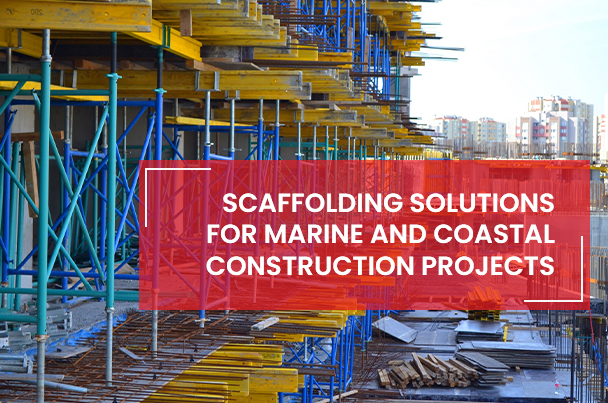
Marine or coastal construction work requires special scaffold systems that can sustain salty seawater, humid atmosphere, wind, and challenging situations regarding access. Marine scaffolds such as galvanized scaffolds, ringlock scaffolds, suspended scaffolds, and other robust scaffold systems are used regularly in marine construction. The use of good marine scaffolding systems ensures that the workers’ safety is assured and provides efficiency in construction.
Introduction
Marine or coastal construction works present some of the toughest construction situations ever. Safety for workers and stability for the scaffold become very difficult issues to handle because of the presence of salty seawater and many more reasons.
Contractors need robust scaffolding systems for safe access and long-term performance in constructing bridges, maintaining shipyards, port infrastructure, offshore facilities or waterfront developments.
Modern marine scaffolding systems are built to provide support for building, maintenance, inspection and repair tasks while improving corrosion resistance, structural strength and operating efficiency.
Why Marine and Coastal Construction Requires Specialized Scaffolding
In a sea environment standard scaffolding systems may not be successful as they are continuously exposed to moisture, salt and adverse weather conditions.
Main Challenges in Coastal Construction
| Challenge | Impact on Scaffolding |
| Saltwater Exposure | Accelerated corrosion |
| High Humidity | Reduced material lifespan |
| Strong Winds | Structural instability |
| Tidal Movement | Difficult scaffold positioning |
| Limited Access Areas | Complex installation |
| Uneven Surfaces | Safety risks |
Marine construction projects requires scaffolding solutions that can endure the rigors of these circumstances and remain stable and durable.
Common Marine and Coastal Construction Projects
Scaffolding systems are commonly used in many marine infrastructure projects.
Typical Applications
- Port building
- Shipyard repair
- Projects for coastal bridges
- Access to offshore platform
- Commercial buildings on waterfronts
- Marine industrial installations
- Dock repair/maintenance
- Offshore energy initiatives
These projects also sometimes require special scaffolding structures to allow workers to safely reach them.
Best Scaffolding Systems for Marine Projects
The type of scaffold system used depends on the intricacy of the project and the access needs and varies with different marine construction settings.
Ringlock Scaffolding Systems
Ringlock scaffolding is one of the most commonly utilized techniques for marine building due to its flexibility, robustness and fast installation.
Benefits of Ringlock Scaffolding
- High load capacity
- Flexible, modular design
- Quicker assembly
- High structural stability
- Suitable for non-regular structures
Ringlock systems are usually utilized for ports, bridge construction and industrial maritime infrastructure.
Suspended Scaffolding
Suspended scaffolding systems are widely utilized for offshore constructions, bridges, and waterfront maintenance work with limited land access.
Common Applications
| Project Type | Suspended Scaffold Usage |
| Bridge Maintenance | Exterior access |
| Shipyard Repair | Hull maintenance |
| Offshore Platforms | Elevated work access |
| Waterfront Buildings | Façade maintenance |
They offer a safe way for workers to reach high coastal structures.
Galvanized Scaffolding Systems
The resistance to corrosion is an essential factor in the scaffolds used for constructing buildings near water bodies.
The galvanized scaffolding structure features zinc coating to shield the metal from the detrimental impact of seawater.
Advantages of Galvanized Scaffolding
- Excellent corrosion protection
- Extended service life
- Low maintenance requirement
- Enhanced outdoor durability
- Ideal for humid conditions
Hot-dipped galvanized scaffolding is usually preferred for permanent coastal structures.
Heavy-Duty Marine Scaffolding
For huge infrastructural and industrial maritime projects that demand high load capacity, heavy-duty scaffolding systems are employed.
Common Uses
- Offshore construction
- Bridge support system
- Port facilities
- Coastal industrial facilities
These systems are designed to support workers, equipment and large construction materials safely.
Corrosion Protection in Marine Scaffolding
If not protected by an appropriate corrosion protection, ordinary steel scaffolding systems are rapidly damaged by salt water exposure.
Common Corrosion Protection Methods
| Protection Method | Benefits |
| Hot-Dip Galvanizing | Maximum rust resistance |
| Powder Coating | Improved surface durability |
| Protective Paint Coatings | Basic corrosion protection |
| Stainless Steel Components | Enhanced marine durability |
Good corrosion management means reduced maintenance cost and increased scaffold life.
Marine Scaffolding Safety Requirements
When working in coastal construction situations, safety is paramount with increased work zones, unstable surfaces and extreme weather conditions.
Important Safety Measures
- Daily scaffold inspections
- Wind load monitoring
- Secure anchoring systems
- Slip-resistant platforms
- Fall protection systems
- Corrosion inspection procedures
Marine projects must also comply with OSHA safety standards and local maritime regulations.
Common Challenges in Coastal Scaffolding Projects
Operational and environmental issues typically complicate marine scaffolding operations.
Major Coastal Construction Challenges
| Challenge | Solution |
| Corrosion | Galvanized systems |
| High Winds | Reinforced bracing |
| Limited Access | Suspended platforms |
| Wet Surfaces | Anti-slip platforms |
| Tidal Changes | Adjustable scaffold systems |
Proper planning of a project reduces the risks and improves the efficiency of operations.
Advantages of Modern Marine Scaffolding Solutions
Modern scaffolding technologies boost efficiency and worker safety on coastal projects for contractors.
Key Benefits
- Faster installation
- Easier accessibility for workers
- Increased corrosion resistance
- Higher stability
- Reduced maintenance
- Increased longevity
- Efficient project execution
Superior scaffold structures will also allow for reduced downtime during massive marine construction projects.
How to Choose the Right Marine Scaffolding System
The ideal scaffolding system will depend on a variety of project factors.
Important Considerations
- Location of Project
- Environmental exposure
- Height of buildings
- Load requirements
- Limits on access
- Length of the project
- Need for corrosion resistance
Working with professional marine scaffolding companies ensures the right solution is selected and that it is compliant.
Future Demand for Marine Scaffolding Solutions
The demand for scaffolding in the marine and coastal construction industry will continue to rise due to:
- Ports development
- Coastal infrastructure developments
- Offshore energy development
- Repairs of bridges
- Shipyard developments
- Commercial development of waterfront properties
The rise in marine infrastructure spending worldwide will create greater need for advanced scaffolding systems.
Conclusion
Specialised scaffolding solutions are required for marine and coastal building projects to cope with extreme environmental conditions, corrosion concerns and challenging access requirements. Safety scaffolds such as galvanized scaffolds, ringlock scaffolds, suspended scaffolds, and durable access scaffolds guarantee contractors the provision of safety, durability, and efficiency in the extremely harsh conditions of the marine environment.
Good planning, anti-corrosion methods, and safety procedures as per OSHA guidelines. Scaffolding would help the contractors increase safety in the workplace, reduce expenses in maintenance, and complete projects on time.
FAQs
Why is galvanized scaffolding preferred for marine construction?
The galvanized scaffolding system is less likely to corrode and lasts much longer when used in saltwater and damp coastal environments.
What scaffolding system is best for marine projects?
As a result of its strength and versatility, the ringlock scaffolding and the suspended scaffolding systems are commonly used in marine construction projects.
What are the biggest challenges in marine scaffolding?
Among the major obstacles in marine scaffolding projects are saltwater corrosion, severe winds, unstable surfaces and difficult access circumstances.
Why is corrosion protection important in coastal scaffolding?
Corrosion protection helps prevent rust, structural weakening, and increased maintenance costs caused by continuous saltwater exposure.
What safety measures are important for marine scaffolding?
Key safety precautions include daily inspections, fall prevention systems, wind monitoring, secure anchoring and anti-slip work platforms.
Comments are closed