


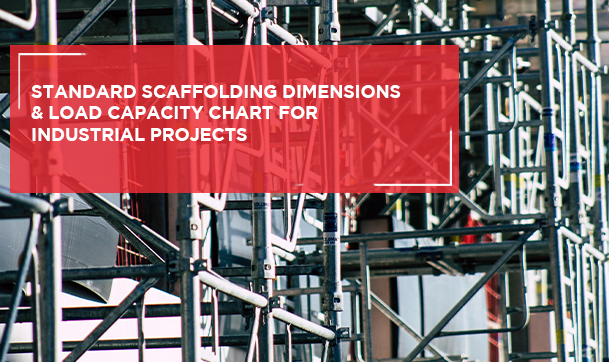
Scaffolding is a system that is needed for construction and maintenance jobs where workers need to reach high places to perform their jobs safely. Scaffolding provides temporary support to buildings ranging from high-rise buildings to factories and other infrastructural development projects. This ensures a safe working environment.
It is essential for contractors, engineers, and managers to be aware of the conventional sizes and restrictions of scaffolding. Properly sized scaffolding ensures that buildings are stable, safe, and that a job is done well.
This tutorial goes over the sizes of scaffolding parts, their load capacity ratings, and the safety rules that are usually followed on building sites..
What Are Standard Scaffolding Dimensions?
Standard scaffolding dimensions are the diameters of scaffold tubes, frames, and other structural parts that are routinely used in construction systems. These established measures make guarantee that different pieces of the scaffold fit together and that the structure stays strong.
Most scaffolding systems follow safety rules set by groups like
- OSHA (Occupational Safety and Health Administration) around the world.
- European scaffolding standards EN 12811
- British scaffolding standards BS 1139
These standards set the size, weight, safety, and inspection criteria for scaffolding systems used in industrial construction.
Standard Scaffolding Structure and Components
A standard scaffolding structure is made up of many parts that are connected to each other. This makes a safe place for construction workers to work.
Main Scaffold Components
| Component | Function |
| Standards (Vertical Posts) | Provide vertical structural support |
| Ledgers | Connect vertical posts horizontally |
| Transoms | Support scaffold boards |
| Base Plates | Distribute scaffold load on ground |
| Diagonal Braces | Increase structural stability |
| Guardrails | Protect workers from falls |
Each part works in conjunction with the others to provide a stable and safe work platform which can hold workers, tools, and building supplies.
Standard Scaffold Tube Dimensions
Most scaffolding systems employ scaffold tubes as their major structural members. Steel tubing with an outside diameter of 48.3 mm is the most popular dimension of scaffold tubes throughout the world.
Scaffold Tube Size Chart
| Parameter | Standard Dimension |
| Outer Diameter | 48.3 mm |
| Tube Wall Thickness | 3.2 mm – 4.0 mm |
| Standard Length | 3 m – 6 m |
| Material | Galvanized Steel |
| Weight | Approx. 3.5–4.5 kg per meter |
These are very popular sizes as they offer the best balance of strength, longevity, and compatibility with scaffold couplers.
Scaffolding Component Dimensions Chart
To ensure that scaffolding systems are strong, there are various components, and they all have similar size requirements.
Common Scaffold Component Sizes
| Component | Typical Size |
| Vertical Standard Height | 2 m – 3 m |
| Ledger Length | 1.2 m – 2.5 m |
| Transom Length | 1.2 m |
| Scaffold Board Width | 225 mm |
| Base Plate Size | 150 mm × 150 mm |
| Guardrail Height | 950 – 1150 mm |
Using standardized dimensions ensures scaffolding systems remain compatible and safe across different construction projects.
Scaffolding Load Capacity Chart
The load capacity of a scaffolding structure is the most weight it can safely hold. This comprises people, tools, and building materials.
Scaffold Duty Classification
| Scaffold Type | Load Capacity | Typical Application |
| Light Duty | 120 kg/m² | Painting and maintenance |
| Medium Duty | 240 kg/m² | Brickwork and plastering |
| Heavy Duty | 450 kg/m² or more | Industrial construction |
Heavy-duty scaffolding systems are often utilized to build bridges, oil and gas installations, and other huge infrastructure projects.
OSHA Scaffolding Load Requirements
OSHA safety rules say that scaffolding systems must be able to hold at least four times the maximum load they are meant to hold.
For instance:
- If a scaffold platform is meant to hold 500 kg, the structure must be able to hold 2000 kg to stay safe.
Other safety requirements are:
- Platforms with all the planks
- Toe boards and guardrails
- Base plates that stay in place and leveling jacks
- Inspections of safety on a regular basis
These rules assist keep buildings from falling apart and keep workers safe.
Factors That Affect Scaffolding Load Capacity
There are a number of things that affect the strength and load capacity of a scaffolding structure.
Material Strength
Compared to inferior materials, high-quality galvanized steel scaffolding can hold more weight.
Structural Configuration
The entire strength of the scaffold depends on how the standards, ledgers, and braces are put together.
Platform Width
Wider platforms spread loads more evenly across scaffold structures.
Ground Stability
Using the right foundation plates and leveling devices stops the load from being unevenly spread out.
Before choosing scaffolding solutions for industrial projects, contractors need to think about these things.
Industrial Applications of Scaffolding Systems
Many businesses employ scaffolding systems.
Some of the uses include:
- Building high-rise buildings
- Taking care of industrial plants
- Building bridges and highways
- Building ships and working on the sea
- Taking care of oil and gas industries
These industries need scaffolding solutions that are safe for working at height and offer good structural support.
Choosing the Right Scaffolding System for Industrial Projects
The appropriate scaffolding solution for the project will depend on factors like the height, the weight, and the time factor.
Some common types of scaffolding used in industrial building are:
- Scaffolding systems with ring locks
- Scaffolding with tubes and couplers
- Systems for frame scaffolding
- Scaffolding systems that can be put together in different ways
More and more people are choosing ringlock scaffolding systems because they can hold a lot of weight, are easy to put together, and can be installed quickly.
Conclusion
Scaffolding systems are quite important in industrial construction projects, as they are essential in ensuring everything is safe and working well. Construction contractors can safely and effectively build working platforms if they are aware of the standard sizes and limitations.
Construction teams can safely and more efficiently work on construction sites if they are able to work within certain criteria based on standard scaffold tube sizes.
In order for construction projects in the industrial sector to be deemed safe, proper planning and implementation of scaffolding must be conducted.
Comments are closed